Mumbai
08048043738
+918956388414

Products

68179d65be22ee500d53ff54 Card 2

product image
UV Meter

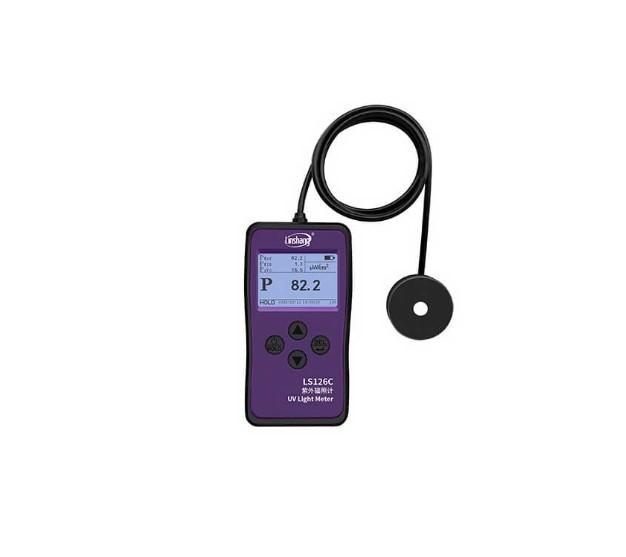
LS126C UV Light Meter — Accurate UVC Measurement for Disinfection & Safety In environments where UVC germicidal lamps are used to sterilize air, surfaces, and equipment, it’s crucial to measure UVC intensity and energy accurately to ensure both efficacy and safety. The LS126C UV Light Meter is a precision instrument designed specifically for UVC radiation detection — giving professionals reliable data for quality control and compliance in healthcare, industrial, and laboratory settings. 🔬 What Is the LS126C UV Light Meter? The LS126C is a specialized UVC radiometer optimized to measure ultraviolet radiation in the 230–280 nm spectral range, with peak sensitivity at 254 nm — the standard wavelength emitted by low-pressure mercury germicidal lamps used widely for sterilization. Designed for professional UVC measurement, this meter provides accurate readings of both UV intensity (μW/cm²) and UV energy dose (μJ/cm²), helping operators verify that lamps are performing at required disinfecting levels and maintain regulatory standards. 📊 Key Features & Benefits 📈 High-Precision UVC Detection Spectral response: 230–280 nm with peak at 254 nm — ideal for germicidal lamps. Measuring range: 0 – 20,000 μW/cm². Resolution: 0.1 μW/cm². Fast response: < 0.5 s. These specifications ensure that you get detailed and accurate readings from UVC sources. 📱 Bluetooth & Remote Monitoring Thanks to Bluetooth connectivity, LS126C can transmit live data to a smartphone app (including through WeChat mini program), allowing remote monitoring from a safe distance and minimizing exposure to harmful UV radiation during testing. 🧠 Intelligent Measurement & Data Logging This UV meter features an intelligent statistical function that records real-time, maximum, minimum, average, and cumulative energy values. You can also set automatic shutdowns and save results for up to 25 recorded sets — ideal for reporting and quality control workflows. 💻 PC Software & Reporting LS126C supports USB connection to a PC, enabling data export to Excel and generation of test reports — a valuable feature for compliance documentation and auditing. 📏 Designed for Compliance The instrument includes a 1-meter test hook aligned with national disinfection standards (such as “WST 367-2012 Regulation of Disinfection Technique in Healthcare Settings”) to help ensure correct testing height and procedure. 📍 Why Precise UVC Measurement Matters UVC radiation is widely used for disinfection in hospitals, clinics, laboratories, public spaces, and HVAC systems. However, inaccurate measurements can lead to: Ineffective sterilization, risking microbial survival, Excessive exposure, which can damage materials or pose health hazards, Non-compliance with safety standards. A reliable UVC meter like the LS126C ensures you keep intensity within optimal ranges — maintaining both safety and effectiveness. 🏭 Typical Applications The LS126C is ideal for: Healthcare facilities evaluating germicidal lamp output, Environmental monitoring laboratories, Food processing and pharmaceutical sanitation, UV system commissioning and maintenance, R&D and quality assurance teams using UVC for sterilization. 🏁 Conclusion Investing in a high-quality, dedicated UVC measurement tool like the LS126C UV Light Meter boosts confidence in disinfection operations. With its precise detection, data connectivity, intelligent logging, and compliance-ready features, it’s a professional choice for any industry that depends on effective UVC sterilization.

68179d65be22ee500d53ff54 Card 2

product image
UV Meter

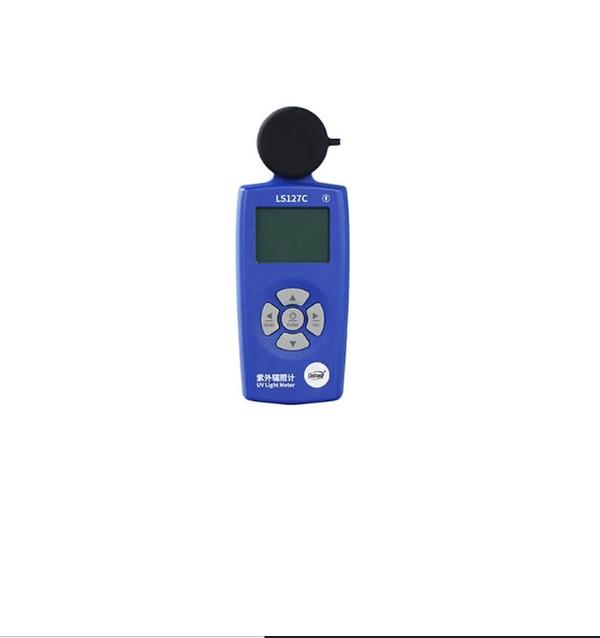
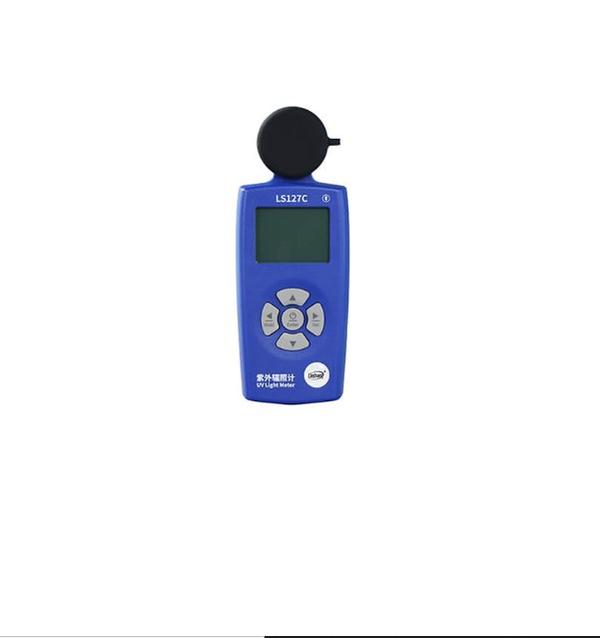
LS127C Integrated UV Light Meter — Precision UVC Measurement for Safety & Compliance In industries that rely on ultraviolet germicidal lamps, accurate and reliable measurement of UV intensity is essential for ensuring disinfection effectiveness, safety, and regulatory compliance. The LS127C Integrated UV Light Meter is a professional instrument purpose-built to measure the radiation intensity and energy output of UVC germicidal lamps, especially those around the critical 254 nm wavelength used in sterilization applications. 📏 What Is the LS127C Integrated UV Light Meter? The LS127C is a handheld, integrated UV radiometer designed to measure UVC radiation intensity (power) and UV energy (dose) with high resolution and precision. It is specially tuned for the 230 nm–280 nm spectral range, peaking at 254 nm — the wavelength commonly emitted by low-pressure mercury germicidal lamps. This makes the LS127C ideal for use in healthcare, food safety, environmental monitoring, and industrial settings where UVC disinfection is widely deployed. 🔍 Key Features That Set It Apart ✔ High-Precision UVC Detection With a spectral response optimized for UVC light (230–280 nm) and a peak at 254 nm, the LS127C delivers accurate measurement of germicidal lamp radiation. The device boasts: Power measuring range: 0–20,000 μW/cm² Energy measuring range: 0–9,999,999 μJ/cm² Resolution: 0.1 μW/cm² Fast response time: ~0.5 seconds ✔ Real-Time Monitoring & Wireless Connectivity Equipped with Bluetooth, the LS127C can transmit measurement data up to 50 m away to a mobile app or PC software, allowing remote monitoring and data logging without exposing operators to harmful UVC radiation. ✔ Intelligent Statistics & Data Recording The meter doesn’t just show current intensity — it also tracks and displays the maximum, minimum, average values, and cumulative energy dose during a test. Measured data can be stored and reviewed later for compliance or quality control. ✔ Built-In Safety and Usability Enhancements The LS127C comes with a 1-meter test hook, aligning with common testing standards used in disinfection protocols so measurements reflect realistic operating distances. The device also includes auto-shutdown and data retention functions for unattended testing. 🧪 Applications Across Industries The LS127C is widely used in fields where UVC germicidal lamps are critical: ✔ Hospitals & clinics — for sterilizing rooms and equipment ✔ Disease control centers (CDC) — for environmental monitoring ✔ Pharmaceutical manufacturing — to ensure sterilization consistency ✔ Food & drug administration labs — to validate hygiene programs ✔ Environmental monitoring stations — for air and surface disinfection checks 📊 Why Precise UV Measurement Matters Accurate measurement of UVC intensity directly impacts the effectiveness of sterilization processes. Too little UV energy may fail to inactivate microorganisms, while excessive exposure can damage equipment or pose safety risks. A tool like the LS127C ensures that operators can: ✅ Verify UV sources are performing within regulatory standards ✅ Optimize lamp placement and exposure times ✅ Maintain consistent disinfection results ✅ Protect personnel from over-exposure by enabling remote monitoring 📈 Conclusion Investing in a high-quality UV light meter like the LS127C Integrated UV Light Meter gives professionals the power to measure, monitor, and manage germicidal UV intensity with confidence. Its blend of precision, connectivity, and intelligent functions makes it a reliable tool for ensuring safety and performance in any environment that depends on UV sterilization.

68179d65be22ee500d53ff54 Card 2

product image
UV Meter

UV Meter: Accurate Measurement for Reliable UV Quality Control A UV Meter is an essential measuring instrument used to accurately detect and monitor ultraviolet (UV) light intensity and energy across various industrial, commercial, and laboratory applications. From UV curing and printing to electronics, healthcare, and research industries, UV meters play a crucial role in maintaining quality, safety, and process efficiency. What Is a UV Meter? A UV meter is a precision device designed to measure UV radiation intensity (mW/cm²) and UV energy (mJ/cm²) within specific wavelength ranges such as UVA, UVB, and UVC. It helps users ensure that UV light sources are operating at optimal levels, preventing under-curing or over-exposure. Why UV Meters Are Important Using a UV meter allows businesses to maintain consistent product quality, reduce material waste, and improve operational safety. In industries like UV printing, coating, adhesive curing, PCB manufacturing, and medical sterilization, accurate UV measurement ensures processes meet strict technical standards. Key Features of a Modern UV Meter High-precision UV intensity and energy measurement Wide wavelength detection (UVA / UVB / UVC) Compact, handheld, and easy-to-use design Fast response time for real-time readings Data storage and USB/Bluetooth connectivity (in advanced models) Applications of UV Meters UV meters are widely used in: UV curing systems (ink, paint, resin, adhesive) Printing and packaging industries Electronics and PCB manufacturing Medical and laboratory environments Environmental monitoring and research Automotive and coating industries Benefits of Using a UV Meter Ensures accurate UV exposure control Improves process consistency and efficiency Helps extend the lifespan of UV lamps Reduces product defects and rework Supports compliance with industry standards Choosing the Right UV Meter When selecting a UV meter, consider factors such as wavelength range, measurement accuracy, application type, sensor size, and data recording capabilities. Choosing the right UV meter ensures reliable results and long-term performance.

68179d65be22ee500d53ff54 Card 2

product image
Thickness & Hardness

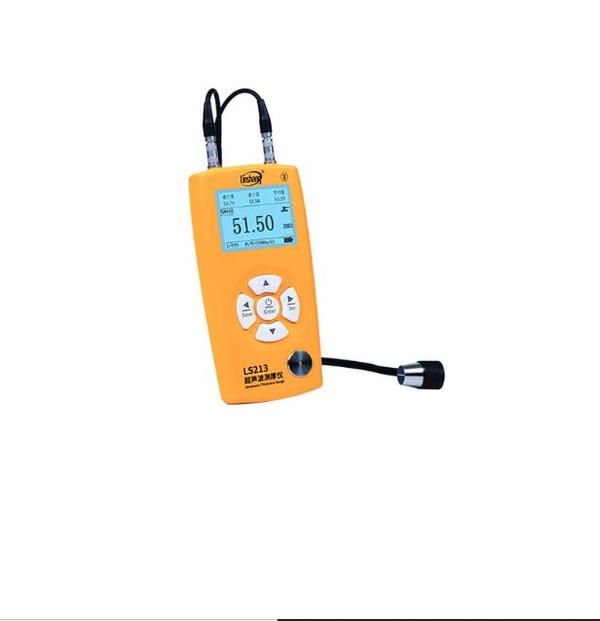
What the LS213 Ultrasonic Thickness Gauge Is The LS213 is a hand-held ultrasonic thickness gauge that non-destructively measures material thickness using the ultrasonic pulse-echo principle. It’s designed for materials that transmit ultrasonic waves, such as metals (steel, aluminum, copper), plastics, ceramics, and glass. 📊 Key Specifications 📐 Measurement Performance Thickness Range: ~0.8 mm to 350 mm on steel (45# steel). Resolution: 0.8 – 100 mm: 0.01 mm 100 – 350 mm: 0.1 mm Measurement Accuracy: < 10 mm: ±0.05 mm such accuracy at low thicknesses. ≥ 10 mm: ±0.5 % of reading (H is the standard thickness). Sound Velocity Range: 1000 – 9999 m/s (adjustable for different materials). Display: 240 × 160 dot-matrix LCD; mm/inch units. Power: 2 × AA alkaline batteries. 🛠️ Probes & Materials The LS213 works with four types of probes (automatically recognized by the gauge) so it can be adapted to different surfaces and materials: Probe Type Use Case Range on 45# Steel Min Measuring Area Standard Probe (5 MHz φ10) General materials 0.8 – 350 mm φ10 mm Micro-diameter Probe (7 MHz PT-06) Small/curved surfaces 0.75 – 80 mm φ6 mm Coarse Crystal Probe (2 MHz ZT-12) Cast iron / coarse grain 3 – 200 mm φ12 mm High Temperature Probe (5 MHz GT-12) High-temp components 3 – 200 mm φ12 mm The gauge automatically identifies the connected probe and adjusts the measurement interface accordingly. 🔍 Features & Functions ✔ Dual-Crystal Probe Technology Uses a dedicated transmitting and receiving crystal for clearer echoes and reduced noise. ✔ Automatic Gain Switching Automatically adjusts the signal gain based on material and thickness for reliable echo detection. ✔ QC & Statistics Modes QC Mode: Set upper/lower limits for quick go/no-go checks. Statistics Mode: Shows max, min, and average of recent readings. ✔ Coating Penetration Mode Can measure substrate thickness through paint/coating without needing to strip the coating. ✔ Data Storage & Connectivity Stores up to 999 measurement records and supports Bluetooth with a mobile app and PC software for data export. ✔ Custom Material Sound Speed You can save and use sound velocity values for up to 18 materials for repeat testing. 📌 Typical Applications LS213 is ideal for non-destructive thickness checks in industries like: Shipbuilding & offshore Pipelines & pressure vessels Automotive components Metal fabrication & corrosion monitoring Manufacturing quality control 📦 Physical & Environmental Details Dimensions: ~142 × 72 × 28 mm Weight: ~230 g Operating Temp: –10 °C to 50 °C Storage Temp: –10 °C to 60 °C

68179d65be22ee500d53ff54 Card 2

product image
Thickness & Hardness

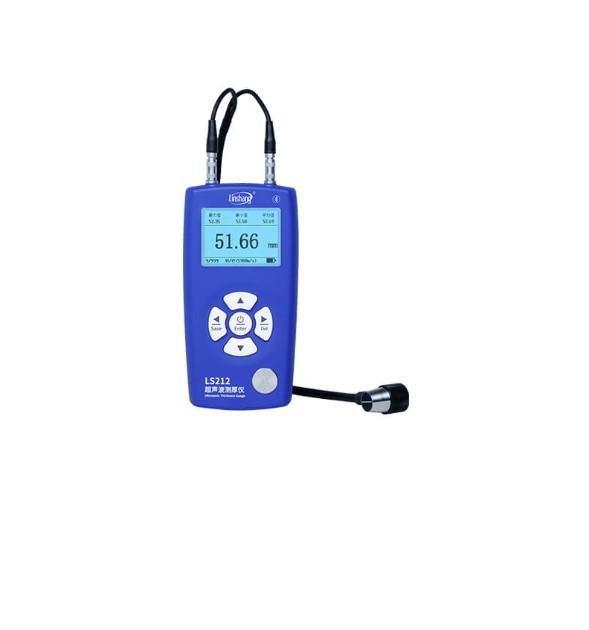
The LS212 is a handheld ultrasonic thickness gauge that uses ultrasonic pulse-echo technology to measure the thickness of materials where only one surface is accessible. It’s non-destructive, compact, easy to use, and ideal for industrial inspection, quality control, and corrosion monitoring. 📊 Key Technical Specifications Measurement Performance Thickness range (standard probe): ~0.8 mm – 350 mm (on steel). Resolution: 0.8–10 mm: 0.001 mm 10–100 mm: 0.01 mm 100–350 mm: 0.1 mm Sound velocity range: 1000–9999 m/s (customizable). Display: 240 × 160 dot-matrix LCD, mm/inch selectable. Accuracy For thin materials (< 10 mm): approx ±0.05 mm. For thicker materials (≥ 10 mm): approx ±0.5 % of reading. Probes Supported The LS212 works with four types of probes (auto-detects the connected probe): Probe Type Typical Use Thickness Range Min. Measuring Spot Standard Probe (5 MHz φ10) General use 0.8–350 mm φ10 mm Micro-diameter Probe (7 MHz PT-06) Small or curved surfaces 0.75–80 mm φ6 mm Coarse Crystal Probe (2 MHz ZT-12) Cast iron / coarse materials 3–200 mm φ12 mm High Temp Probe (5 MHz GT-12) Higher temperature workpieces 3–200 mm φ12 mm Physical & Power Power: 2 × AA alkaline batteries. Size & Weight: About 142 × 72 × 28 mm, ~230 g. Operating Temperature: –10 °C to 60 °C. 🛠️ Features & Functions ✔ Two Measurement Modes QC Mode: Define upper/lower limits with PASS/FAIL feedback. Statistics Mode: Auto-calculates max/min/average values of recent readings. ✔ Automatic Gain Switching Automatically adapts ultrasonic signal gain for clear echo detection across material types and thicknesses. ✔ Penetration Coating Mode Measures true substrate thickness through paint/coating without removal (using standard probe). ✔ Bluetooth & Software Support Bluetooth connectivity to mobile app for data logging and sharing. PC software for data export and analysis. ✔ Large On-board Memory Stores up to 999 measurement records. ✔ Custom Material Sound Velocities You can save custom sound speed values for up to 18 materials for repeated use. 📌 Typical Applications The LS212 is suitable for non-destructive thickness measurement of: Pipes and tubing Pressure vessels Structural steel Metal/plastic/ceramic parts Glass and composites …and in industries like petrochemical, shipbuilding, aerospace, metallurgy, and manufacturing quality control. 🧠 Quick Comparison (Vs. Other Linshang Models) VS LS211: LS211 covers a broader range up to ~600 mm; LS212 up to ~350 mm. VS LS213: Similar range to LS212 but with lower resolution (LS213: ~0.01 mm).

68179d65be22ee500d53ff54 Card 2

product image
Thickness & Hardness

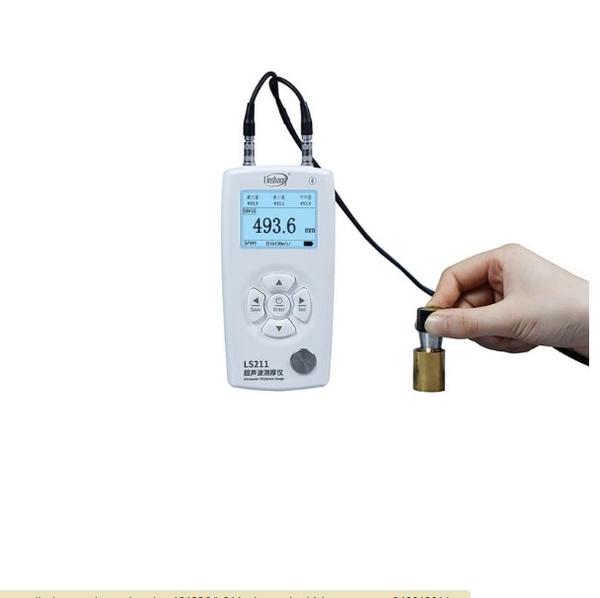
The LS211 Ultrasonic Thickness Gauge is a handheld non-destructive measurement instrument that uses the ultrasonic pulse-echo principle to measure the wall thickness of materials that transmit ultrasonic waves — such as metals, plastics, glass, and ceramics. It’s widely used in industrial inspection where you can access only one surface of the object (e.g., pipes, tanks, sheets). 📊 Key Specifications ✨ Measurement Performance Thickness range: 0.8 mm to 600 mm on steel (varies with probe). Resolution: 0.8–10 mm: 0.001 mm 10–100 mm: 0.01 mm 100–600 mm: 0.1 mm Accuracy: ±0.05 mm (0.8–10 mm) ±0.5 % of reading (10–600 mm) Sound velocity range: 1000–19999 m/s Display: 240 × 160 dot matrix LCD (mm/inch selectable). 🔍 Probe Options The LS211 can work with four types of probes depending on the application: Probe Type Typical Use Thickness Range (Steel) Min. Measuring Area Standard probe (5 MHz φ10) General use 0.8–600 mm φ10 mm Micro-diameter probe (7 MHz PT-06) Small or curved surfaces 0.75–80 mm φ6 mm Coarse crystal probe (2 MHz ZT-12) Cast iron / high grain materials 3–200 mm φ12 mm High-temperature probe (5 MHz GT-12) Higher temp workpieces 3–200 mm φ12 mm Each probe is identified automatically when connected. 🛠️ Features & Modes ✔ Two Measurement Modes QC Mode: Set upper/lower thickness limits and get a pass/fail indication. Statistics Mode: Automatically calculates max, min, and average from recent measurements. ✔ Automatic Gain Adjustment Gain adjusts automatically based on material and thickness for clear echo detection. ✔ E-E (coating penetration) Mode Allows measuring substrate thickness through paint/coating without removing it. ✔ Bluetooth & Software Support Built-in Bluetooth for connecting to a phone app for data storage/sharing. PC software available for Excel export and review. ✔ Large On-board Memory Stores up to 999 measurements, with customizable sound velocity for up to 18 materials. 📌 Typical Applications The LS211 is useful for monitoring the remaining wall thickness of structures to assess corrosion or wear, including: Pipes and tubes Pressure vessels Structural steel Ship hulls Storage tanks Aerospace parts Automotive components 📦 Physical & Power Details Power: 2 × AA batteries. Size: ~142 × 72 × 28 mm. Weight: ~230 g. Operating Temp: –10 °C to 50 °C (non-condensing).

68179d65be22ee500d53ff54 Card 2

product image
Thickness & Hardness

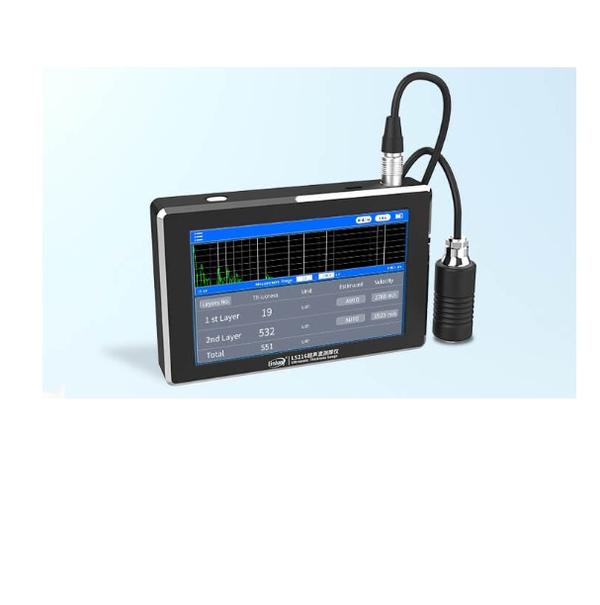
The LS216 is a multilayer ultrasonic thickness gauge made by Linshang Technology — a handheld precision measurement instrument that uses ultrasonic pulse-echo principles to measure the thickness of coatings and underlying materials accurately and non-destructively. 📏 Key Features & Capabilities 🔍 Multi-layer Thickness Measurement Can measure up to three layers at once (e.g., coating + intermediate layer + substrate). 📐 High Precision Resolution: Up to 1 μm. Accuracy: ≤ ±(3 %H + 3 μm), where H is the standard value. 🪶 Wide Measurement Range Coatings: ~13 – 5500 μm (epoxy, etc.). Metals (e.g., steel): ~300 – 14,800 μm. 🎛️ Adjustable Sound Velocity Supports 1000–9999 m/s sound velocity range, with multiple modes: preset materials, calculated from known thickness, or manual input. 📊 Visual Output 800×480 IPS color touchscreen with real-time waveform display to help verify and analyze measurements. 📏 Minimum Measuring Area & Usability Requires a small measurement spot (~Φ6 mm), great for tight or localized areas. 📦 Other Practical Features Built-in rechargeable battery (4000 mAh, USB-C charging). Stores up to 999 measurement sets. Temperature compensation for consistent results. Exportable data with accompanying PC software. 🛠️ How It Works The probe emits ultrasonic pulses into a material. When these pulses hit interfaces between different layers (e.g., coating vs substrate), part of the sound reflects back. The gauge measures the time it takes for the sound to return and calculates thickness based on sound velocity and time. 📊 Typical Applications The LS216 is suitable for: Coating thickness control (e.g., paint, epoxy). Quality inspection in manufacturing. Non-destructive testing for plastics, metals, glass, wood, composites. Industries like automotive, aerospace, shipbuilding, metallurgy, petroleum, and coatings quality control.

68179d65be22ee500d53ff54 Card 2

product image
Gloss Meter

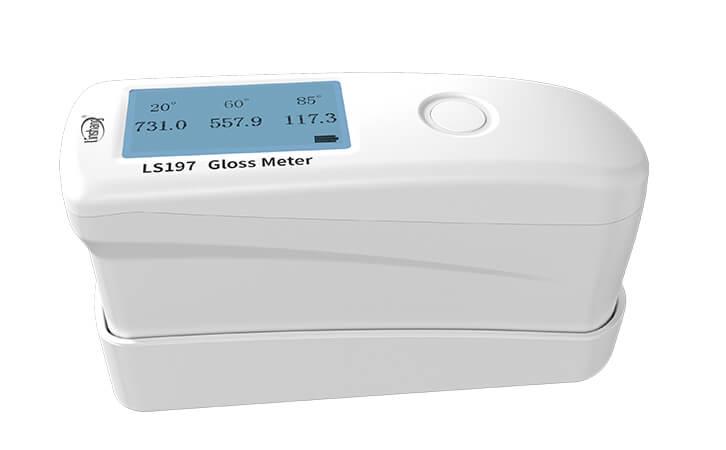
The LS197 is a hand-held gloss meter with a tri-angle measurement design that lets you measure gloss at three different angles (20°, 60°, and 85°) — all from a single device. This makes it ideal for a broader set of surface finishes, from very shiny (high gloss) to matte (low gloss) materials. It’s widely used for testing surface gloss on paints, coatings, inks, plastics, ceramics, paper, stone, metals, electroplated parts, and more. 📊 Technical Specifications Parameter Specification Measuring Angles 20°, 60°, 85° (multi-angle) Measuring Apertures 20°: 9×9 mm 60°: 9×15 mm 85°: 5×38 mm Minimum Sample Size 57 mm × 10 mm Measuring Range 20°: 0–2000 GU 60°: 0–1000 GU 85°: 0–160 GU Resolution 0.1 Gloss Unit (GU) Repeatability 0–120 GU: ±0.2 GU 120–2000 GU: ±0.2 % Reproducibility 0–120 GU: ±0.5 GU 120–2000 GU: ±0.5 % Zero Error ~0.1 GU Indication Error ±1.5 GU or ±1.5 % (across range) Display 240×128 dot-matrix LCD Power Rechargeable lithium battery (3.7 V, ~2000 mAh) Interfaces USB-C (charging & PC data) Languages Supported English & Simplified Chinese Dimensions ~140 × 48 × 75 mm Weight ~300 g Operating Temp/Humidity 10–45 °C, 0–85 % RH (no condensation) Storage Temp –10–60 °C Gloss Units (GU) represent specular reflectance — higher GU means a glossier surface. The multi-angle design lets you interpret gloss data across different geometries for better material characterization. ✨ Key Features 📐 Multi-Angle Measurement Measures gloss at 20°, 60°, and 85° simultaneously — letting you assess high gloss (20°), medium gloss (60°), and low gloss (85°) surfaces with one instrument. 📊 Extra-Wide Range (Up to 2000 GU) With a 2000 GU range at 20° angle, the LS197 handles very high-gloss and reflective finishes that many single-angle meters can’t. ⚡ Fast & Easy Operation Simply place the meter on the surface and the readings appear instantly — no extra button press needed in normal mode. 📈 QC Mode for Batch Testing Quality Control (QC) mode lets you set upper and lower limits to automatically decide if gloss values are within spec — useful for production inspection workflows. 🔧 High Accuracy & Stability Uses D65 standard light source and advanced optics for consistent, accurate measurements even on colored materials. 💻 PC Software Support Connect via USB to Windows PC for data logging, parameter setup, batch statistics, and report generation/printing. 🔋 Long Battery Life Large rechargeable battery supports extended measurement sessions without frequent recharging. 📜 Standards & Compliance The LS197 meets major gloss measurement standards, making its results reliable and globally comparable: ISO 2813 — Paints and coatings gloss measurement ISO 7668 ASTM D523 & ASTM D2457 — Standard gloss test methods DIN 67530 — German gloss standard GB/T 9754, GB/T 13891, GB/T 7706, GB/T 8807 — Chinese gloss standards Meets Grade 1 working machine calibration requirements under JJG 696-2015/2002 verification regulation. 📌 Who It’s Best For The LS197 is ideal if you need: Comprehensive gloss profiling across multiple gloss levels (low, medium, high). High-gloss surface testing beyond 1000 GU (up to 2000 GU). Production line quality control with QC automation. Lab and R&D environments where detailed gloss measurement across angles improves material evaluation.

68179d65be22ee500d53ff54 Card 2

product image
Gloss Meter

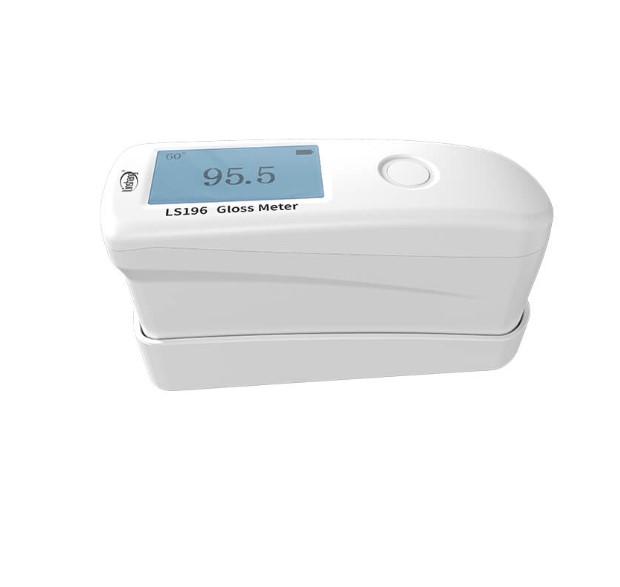
The LS196 is a hand-held digital gloss meter designed for professional surface gloss measurement across a wide range of materials such as paint, coatings, ink, plastic, ceramics, stone, metals, and electroplated finishes. It features high precision, a wide measurement range, and easy operation suitable for both quality control and production inspection environments. 📊 Technical Specifications Parameter Specification Measuring angle 60° (universal for most materials) Measuring spot / aperture 9 mm × 15 mm Minimum sample size 20 mm × 10 mm Measuring range 0 – 1000 Gloss Units (GU) Resolution / Division value 0.1 GU Repeatability ±0.2 GU (0–120 GU); ±0.2 % (120–1000 GU) Reproducibility ±0.5 GU / ±0.5 % Zero error ~0.1 GU Indication error ±1.5 GU (0–120 GU); ±1.5 % (120–1000 GU) Display 240×128 dot-matrix LCD Language support English & Simplified Chinese Power supply Rechargeable lithium battery (3.7 V) Charging / Data interface USB-C (charging + PC data) Dimensions ~140×48×75 mm Weight ~237 g Operating temp/humidity 10–45 °C, 0–85 % RH (no condensation) ✨ Key Features ✔ Wide Range & Professional Accuracy Measures from 0 to 1000 GU, suitable for matte, semi-gloss, and high-gloss surfaces such as metal parts or electroplated panels. Performance meets Grade 1 gloss meter standards, ensuring high accuracy and reliability. ✔ 60° Universal Geometry The 60° measurement angle is ideal for most materials and widely used in industry testing. ✔ Put-and-Measure Simplicity After powering on, just place the meter on the surface—no need to press buttons to start measuring. ✔ QC Mode Quality Control mode enables setting upper and lower limits to automatically judge if measured gloss is within specification—great for batch inspections. ✔ PC Software Support Connect to a Windows PC via USB to collect data, set parameters, run online measurements, and generate or print test reports. ✔ Ergonomic & Durable Engineered with a comfortable grip and robust housing for frequent use on both shop floors and laboratory settings. ✔ D65 Light Source Uses a D65 standard light source with a photopic spectral response for better accuracy on colored surfaces. ✔ Auto Shutdown & Long Battery Life Smart power management with auto-off and long measurement sessions on a full charge. 📜 Standards & Compliance The LS196 conforms to major international gloss measurement standards, meaning its results are comparable and accepted in global quality systems: International standards ISO 2813 – Paints and coatings specular gloss measurement ISO 7668 ASTM D523 & ASTM D2457 – Standard test methods for gloss DIN 67530 – German gloss measurement standard Chinese standards GB/T 9754, GB/T 13891, GB/T 7706, GB/T 8807 Meets Grade 1 working machine requirements under JJG 696-2015 verification regulation. 🔍 Typical Use Cases The LS196 is ideal for: Quality control of paint and coating production. Assessing gloss on automotive parts, plastic components, metals, and ceramics. Batch inspection in factories using QC pass/fail judgments. Laboratory or field testing where reliable gloss data is required.

68179d65be22ee500d53ff54 Card 2

product image
Gloss Meter

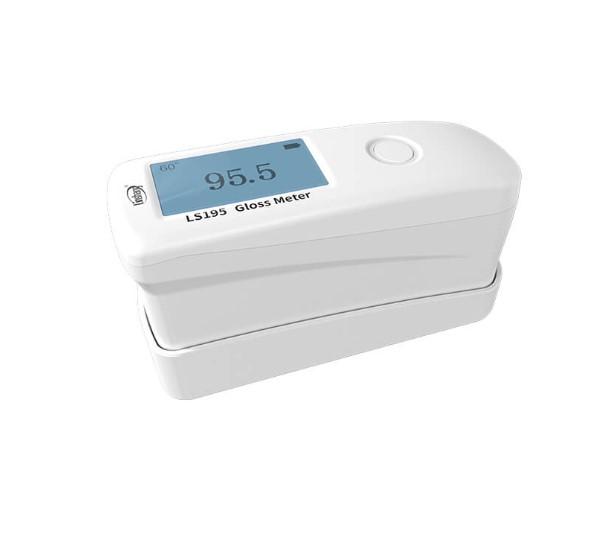
Linshang LS195 Cost-Effective Gloss Meter The LS195 is a hand-held gloss meter designed for professional surface gloss testing on a wide variety of materials — including paint, coatings, ink, plastic, paper, ceramics, stone, and metals. It’s positioned as a cost-effective yet high-precision instrument, ideal for quality control in production and laboratory environments. 📊 Technical Specifications Parameter Specification Measuring Angle 60° (standard universal) Measuring Aperture 9 mm × 15 mm Minimum Sample Size 20 mm × 10 mm Measuring Range 0 – 200 GU Resolution 0.1 GU Repeatability ±0.2 GU (0–120 GU) / ±0.2 % (120–200 GU) Reproducibility ±0.5 GU / ±0.5 % Zero Error ~0.1 GU Indication Error ±1.5 GU throughout range Display 240×128 dot matrix LCD Languages English & Chinese Power Supply Rechargeable lithium battery 3.7 V (~600 mAh) Data Interface USB-C for PC connection & charging Size & Weight ~140×48×75 mm, ~237 g Operating Conditions 10–45 °C, 0–85 % RH (no condensation) Gloss Units (GU) are the standard metric for surface specular reflectance — higher GU means a shinier surface. ✨ Key Features & Benefits ✅ Plug-and-Measure Simplicity Instant results — after turning on you can simply place the meter and read data within ~0.5 s. 🧪 QC Mode for Batch Testing The QC (Quality Control) mode lets you set upper/lower thresholds to automatically judge pass/fail for batches, boosting efficiency. 📈 High Accuracy and Stability Uses a D65 light source with photopic spectral response for consistent measurements, even on colored surfaces. Good repeatability/resolution enhances reliability for QC and product comparisons. 💻 PC Software Support Connect via USB to Windows PC to collect data, configure settings, run online measurement, and generate/print reports. 🔋 Portable Ergonomic Design Lightweight and ergonomic shape for handheld use — ideal for shop floor and lab applications. Auto power-off & long battery life support extended use without frequent charging. 📜 Standards & Compliance The LS195 conforms to key international and national gloss measurement standards, ensuring widely acceptable, comparable results: ISO 2813 – Surface gloss of paint & coatings ISO 7668; ASTM D523 / D2457 – Standard gloss methods DIN 67530 – German gloss standard GB/T 9754, GB/T 13891, GB/T 7706, GB/T 8807 – Chinese gloss test standards Meets Grade 1 working machine performance under JJG 696-2015 verification regulation — meaning its accuracy is suitable for professional/lab use. 📌 Best Applications The LS195 is suited for: Quality assurance in paints, coatings, plastic parts, printing, wood & stone finishes. Routine production inspections where quick, repeatable gloss checks are needed. General lab and workshop use requiring a budget-friendly but accurate gloss meter.

68179d65be22ee500d53ff54 Card 2

product image
Gloss Meter

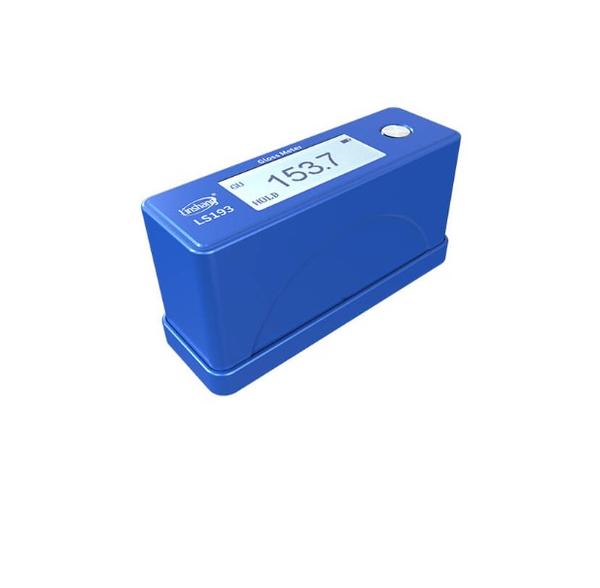
The LS193 is a hand-held gloss meter with a micro measuring aperture, designed especially for small, curved or hard-to-reach surfaces where conventional gloss meters won’t fit. It’s ideal for precision work on mini components, curved plastics, jewelry, narrow painted parts, etc., while still offering a wide measurement range (0–1000 GU) and professional performance. 📊 Key Specifications Parameter Specification Measuring angle 60° universal geometry (standard for general gloss measurement) Measuring aperture / light spot 1.5 mm × 3 mm (tiny spot for small/curved surfaces) Minimum sample size ~3 mm × 6 mm Measuring range 0–1000 GU (Gloss Units) — covers matte to very glossy surfaces Resolution 0.1 GU Repeatability ±0.2 GU (0–120 GU); ±0.2 % (120–1000 GU) Reproducibility ±0.5 GU (0–120 GU); ±0.5 % (120–1000 GU) Zero error 0.1 GU Indication error ±1.5 GU across range Display 192 × 64 dot matrix LCD Power Rechargeable lithium battery (3.7 V @ 1000 mAh) Interfaces USB-C for charging + USB data transfer to PC Language English & Simplified Chinese Weight & Size ~300 g; 102 × 35 × 51 mm Operating Temp/Humidity 10–45 °C, 0–85 % RH (no condensation) ✨ Main Features 🔍 Micro Measuring Aperture The small 1.5 × 3 mm measuring spot allows precise gloss measurement on tiny parts, curved edges, or narrow surfaces that larger gloss meters can’t fit. 📈 Wide Gloss Range Despite its small measuring spot, it measures from 0–1000 GU — suitable for low, medium, and high gloss surfaces. 🤖 Simple Operation Normal mode: Place the meter on the surface; it automatically reads the gloss without pressing any buttons. QC mode: Set upper/lower limits for automatic pass/fail quality checks — useful for batch measurements in production environments. 🌈 Accurate & Stable Uses a D65 light source with photopic spectral response, improving accuracy on colored samples. 💻 PC Software Support Connect to a Windows PC via USB to: Collect and save measurement data. Configure test parameters. Generate & print detailed test reports. Linshang’s software supports all their gloss meters, including LS193. 🧠 Temperature Compensation Built-in temperature compensation helps ensure stable measurements over time across varying environments. 📦 Portable & Durable Compact & lightweight (about 300 g). Aluminum shell for durability and easy handling during field or lab work. 📜 Standards & Compliance The LS193 meets key international and national gloss measurement standards, ensuring compatibility with industry practices: ISO 2813, ISO 7668 ASTM D523, ASTM D2457 DIN 67530 GB/T 9754, GB/T 13891, GB/T 7706, GB/T 8807 Meets Grade 1 working machine requirements under JJG 696-2015 Verification Regulation for specular gloss meters. 🎯 Best Use Cases The LS193 is especially useful when dealing with: Small components & mini parts (e.g., plastics, jewelry). Curved surfaces or edges that larger gloss meters can’t measure. Precision QC checks in manufacturing with automated pass/fail evaluation. Production lines needing compact, rugged measurement tools.

68179d65be22ee500d53ff54 Card 2

product image
Gloss Meter

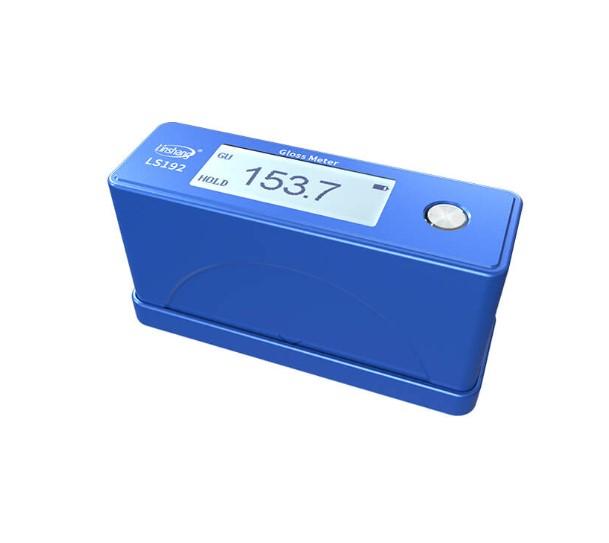
The LS192 is a handheld digital gloss meter designed for accurate surface gloss measurement on a wide range of materials like paint, coatings, metals, ceramics, stone, plastics, paper, and more. It expands the range beyond basic gloss meters, reaching high-gloss surfaces up to 1000 GU and meeting Grade 1 performance standards. 📊 Technical Specifications Parameter Specification Measurement angle 60° (universal angle) Measuring range 0 – 1000 Gloss Units (GU) Resolution 0.1 GU Measuring spot 9 mm × 15 mm Minimum sample size ~20 × 10 mm Repeatability ±0.2 GU (0–100 GU); ±0.2 % (100–1000 GU) Reproducibility ±0.5 GU (0–100); ±0.5 % (100–1000) Zero error ~0.1 GU Indication error ±1.5 GU (0–100); ±1.5 % (100–1000) Display LCD (192 × 64 matrix) Languages English & Simplified Chinese Power Rechargeable lithium battery (~3.7 V, 1000 mAh) Interface USB-C for PC data transfer Weight ~300 g Dimensions ~104 × 35 × 60 mm Operating Temp 10 – 45 °C; humidity up to 85 % (no condensation) Gloss Units (GU) indicate how shiny a surface is — higher values mean a more reflective (glossier) surface. ✨ Key Features ✔ Wide Measurement Range Measures from matte to high-gloss surfaces (0–1000 GU) — suitable for products with very high reflectivity. ✔ High Precision (Grade 1 Performance) Instrument accuracy and repeatability meet Grade 1 gloss meter standards, qualifying for professional and quality-critical applications. ✔ Easy & Intelligent Operation Normal mode: fast one-touch measurements — place on surface and read result. QC mode: lets operators set upper and lower limits for quick pass/fail quality checks. ✔ Real-Time Statistics Displays real-time values, max/min/average, standard deviation for up to 99 readings (more with PC software). ✔ Temperature Compensation Built-in temperature compensation improves stability and reduces drift over long-term usage. ✔ Portable & Durable Slim, compact design, aluminum shell — durable and easy to carry. 💻 PC Connectivity & Software Connects via USB to a Windows PC. PC software allows: • Real-time online measurement • Setting test parameters • Batch data collection & statistics • Report generation & printing The software can run directly from the included USB drive or be downloaded and launched after unzipping. 📜 Standards & Compliance The LS192 meets major international and national gloss measurement standards, ensuring reliable and comparable data across laboratories and industries: International Standards ISO 2813 — Gloss measurement for paints/coatings ISO 7668 ASTM D523 & ASTM D2457 — Standard gloss measurement methods DIN 67530 — German gloss measurement standard Chinese Standards GB/T 9754, GB/T 13891, GB/T 7706, GB/T 8807 Conforms to Grade 1 working machine under JJG 696-2015 verification regulation. 🧠 Typical Uses The LS192 is ideal for: Production quality control of paints, coatings, plastics, ceramics, stone, metals. Material R&D and lab testing where high-gloss measurements are required. Batch inspections with automatic QC pass/fail evaluation.

Subcategory Tags

Dispersing/Milling/Grinding Elcometer 121/4 Paint Inspection Gauges (P.I.G) MikroTest - Elektro Physik Elecktro Physik - MiniTest 725-735-745 Plastic & Rubber Testing Instruments Impact Tester Elektro Physik - MiniTest 650 Hardness Tester's Elcometer 456 Separate Probe QNix® 4500 / 4200 Datacolor 20D Qnix1500 Qnix 1200 Elektro Physik - MiniTest 3100 Paint Testing Instruments FISCHER - MPoR Datacolor 200 Paper & Packaging Instruments Abrasion Tester Measuring Tools Elektro Physik - GalvanoTest Viscocity & Rehlogy NDT & Material Testing Holiday Detector FISCHER - MP0 Analytical Instruments Universal Tensile Machines Environmental Testing Flexibility Tester Bond & Adhesion Tester Elcometer 456 Integral Probe FISCHER - DELTASCOPE® FISCHER - ISOSCOPE® FISCHER - DUALSCOPE® Testing Tapes Film/Coating Applications Ink & Prinitng Testing Instruments Surface Roughness Tester Tempreture & Weathering Testing XRF Datacolor 45G Weighing & Analytical Balances Datacolor - Spectro Color Reader Moisuture Meter Spark Tester QNix® 5500 FISCHER - MP0R-FP ColorReader - Datacolor MiniTest 70 - Elektro Physik Elektro Physik - MiniTest 2500-4500 QNix® 9500 Elektro Physik - MiniTest 7400 Elcometer 500 Non-metallic Substrates YS6020 - Xenon lamp Benchtop Spectrophotometer YS6010 - Benchtop grating spectrophotometer YL4520 Non- Contact Benchtop Spectrophotometer QuintSonic T - Elektro Physik Elcometer 211 Mechanical Coating Thickness Gauge ColorReader Pro - Datacolor Spectro 700 Family TS8280 - Portable Desktop Spectrophotometer
Phone Number

08048043738

Please keep 0 before dialling the number.

Mon-Thu: 10 AM - 2 PM • Fri: 3 PM - 7AM

Other Website Visit our other website
Address HPFS Instruments India LLP 302, Sohan Commercial Plaza, Navghar, Nr. Vasai Railway Station, Vasai East, Vasai - 401209, Thane, Maharashtra, India

Mumbai, India, 401210